Packing for a trip can often feel overwhelming, especially when considering the myriad of factors that come into play, from destination to duration, and even the type of activities planned. However, by adopting a few professional packing strategies, any traveler can streamline their luggage and enhance their overall travel experience. This guide will delve into essential packing techniques, essential items to include, and practical tips that can transform you into an expert packer.
Understanding the Essentials: Know Your Trip
Before even opening your suitcase, take a step back to assess your trip's requirements. Are you heading to a tropical beach, an urban city, or a mountainous region? Each destination demands a different approach to packing. The first step is to create a packing list tailored to your itinerary.
Duration and Type of Trip
The length of your trip significantly influences your packing choices. For weekend getaways, a minimalist approach may suffice, while longer vacations may require a more comprehensive packing strategy. Consider the activities planned: a hiking trip will necessitate different gear than a business conference. Make use of resources like the Wikipedia page on travel gear to familiarize yourself with the essentials for various activities.
The Art of Packing: Techniques and Strategies
Once you understand your trip's needs, it's time to dive into the art of packing itself. There are several effective techniques that can save space and minimize wrinkles.
Rolling vs. Folding
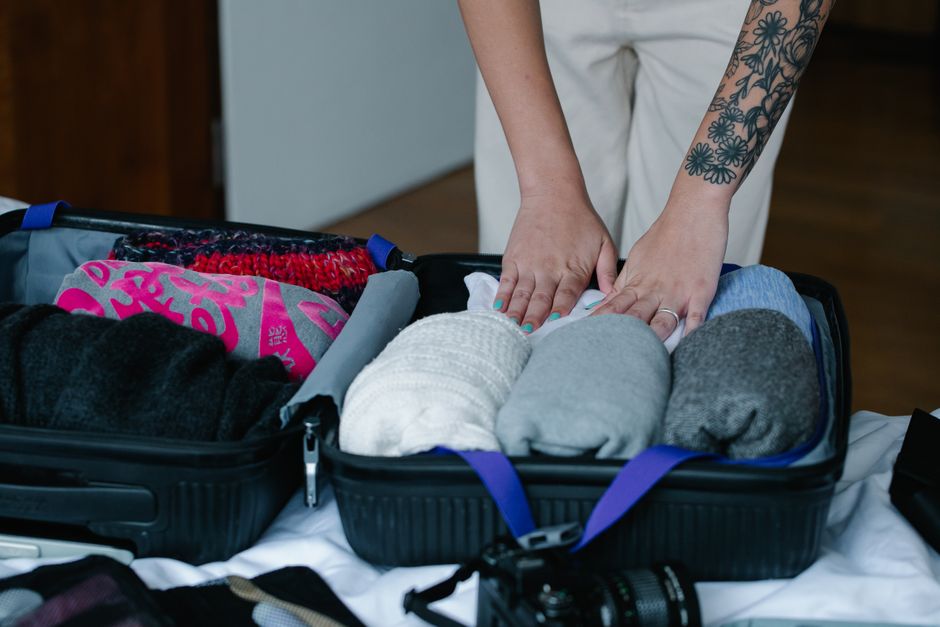
One of the most debated packing techniques is whether to roll or fold clothing. Rolling is often touted as a space-saving method that can also reduce wrinkles, making it ideal for travelers who prioritize efficiency. For bulkier items such as jackets or sweaters, folding may be more prudent. Experiment with both methods to see what works best for your luggage and clothing types.

Utilizing Packing Cubes
Packing cubes have gained immense popularity among seasoned travelers. These fabric containers can help you organize your items by category—clothing, toiletries, electronics—making it easier to find what you need without unpacking everything. For example, you could keep all your workout clothes in one cube and formal attire in another. This not only saves space but also keeps your suitcase tidy. Well-organized luggage can alleviate stress during your travels, especially when you're pressed for time.
Compression Bags for Extra Space
For those who struggle with space, compression bags are a game changer. By removing air from the bags, you can drastically reduce the volume of bulky items like jackets or blankets. However, it's essential to weigh the pros and cons, as these bags can add weight to your luggage and may not be ideal for every trip.
Choosing the Right Luggage
Your choice of luggage can significantly impact your packing efficiency. Whether you opt for a hard-shell suitcase or a soft-sided duffel bag, consider the following factors:
Size and Weight Restrictions
Many airlines enforce strict size and weight restrictions on luggage. Always check your airline's guidelines before packing to avoid unexpected fees. A lightweight suitcase can also help you maximize your packing capacity without exceeding weight limits.
Functionality and Accessibility
Look for luggage with multiple compartments and pockets. This design can facilitate easier organization and quick access to frequently used items, such as travel documents or electronic devices. Additionally, consider investing in luggage with wheels for ease of transport.
Essentials: What to Pack
Now that you have your strategies in place, let’s discuss the must-have items that should always find a place in your suitcase.
Clothing Essentials
When selecting your clothing, focus on versatility. Choose pieces that can be mixed and matched to create multiple outfits. Neutral colors can help with this, allowing you to create new looks without overpacking. Remember to include:
- Comfortable shoes suitable for your activities
- A light jacket or sweater for varying weather
- Swimwear if heading to a beach destination
- Undergarments and sleepwear
Toiletries and Personal Items
Travel-sized toiletries are essential for saving space and complying with airline regulations. Consider a solid shampoo bar or reusable containers to minimize waste. Always carry:
- Medications and a basic first aid kit
- Toothbrush, toothpaste, and deodorant
- Makeup essentials, if applicable
- Any necessary documents such as passport, tickets, and insurance information
Smart Packing Tips and Tricks
To further refine your packing strategy, consider these additional tips that can elevate your packing game.
Layering Technique
When traveling to areas with fluctuating temperatures, layering is key. This approach allows you to adapt to changing weather conditions without overpacking bulky clothing. Start with a moisture-wicking base layer, add an insulating layer, and finish with a waterproof outer layer.
Leave Room for Souvenirs
If you plan on bringing back souvenirs, be mindful of leaving some space in your luggage. Alternatively, consider packing a foldable tote bag that can be used for extra items on your return journey.
Final Checklist: Before You Leave
Before you zip up your suitcase, take a moment to go through a final checklist. This will ensure you haven't left anything important behind. Key items to check include:
- Travel documents and identification
- Chargers for all electronic devices
- Emergency contacts and itinerary details
- Any last-minute items, such as snacks or books
Conclusion
Packing like a pro doesn’t just happen overnight; it requires planning and practice. By understanding the specifics of your trip, employing effective packing strategies, and ensuring you have all your essentials, you can transform the often-stressful process of packing into a seamless part of your travel experience. With these insights, you’ll be well on your way to becoming a master packer, ready for any adventure that awaits.
