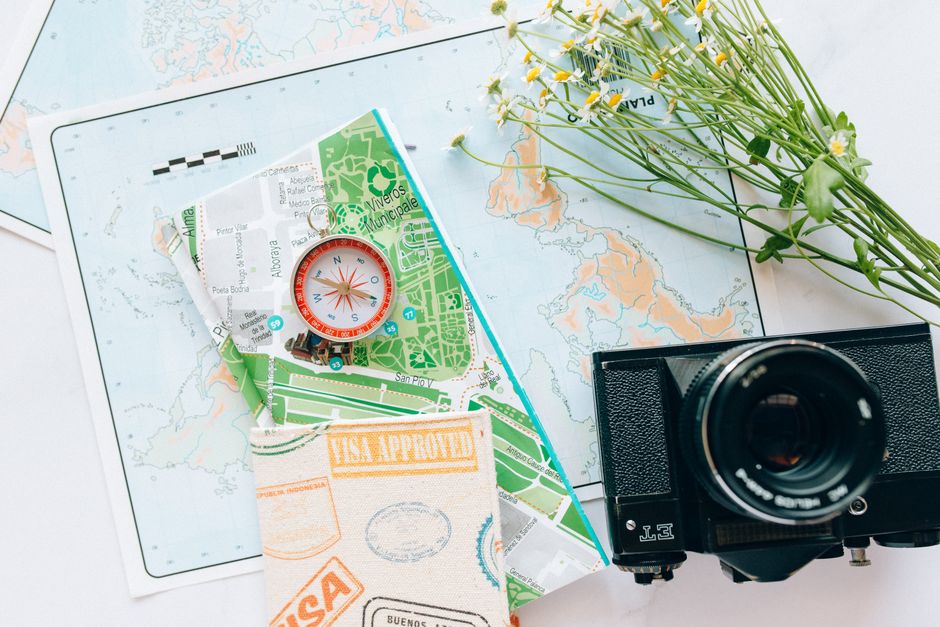
Planning your first international trip can be an exhilarating yet daunting experience. The prospect of exploring new cultures, tasting exotic cuisines, and creating lasting memories is thrilling, but the logistics of travel can overwhelm even the most seasoned adventurer. To ensure that your journey is as smooth as possible, it’s crucial to approach your trip planning methodically. Here’s a step-by-step guide to help you navigate the process, from choosing your destination to packing effectively.
Step 1: Determine Your Destination
The first step in planning your international adventure is to decide where you want to go. This choice can be influenced by several factors, including your interests, budget, and the time of year. Research potential destinations that intrigue you, and consider factors such as climate, local customs, and language. Websites like Lonely Planet offer extensive guides on various countries, helping you to narrow down your options.
Consider Your Interests
Are you drawn to bustling cities, serene beaches, or breathtaking mountains? Your personal interests will play a significant role in your destination choice. For instance, if you have a passion for history, destinations like Rome or Athens may captivate you. If natural beauty is more your style, consider places like New Zealand or Costa Rica.
Evaluate Budget Considerations
Your budget is a crucial factor in destination selection. While some countries are known for being budget-friendly, others can be quite expensive. Research the cost of living in your potential destinations, including accommodation, food, transportation, and activities. Websites such as Numbeo can provide valuable insights into living costs around the world.
Step 2: Set a Budget
Creating a realistic budget is essential for any trip. Start by estimating expenses for flights, accommodation, meals, transportation, activities, and a contingency fund for unexpected costs. Tools like budgeting apps can help you track your spending and ensure you stay within your limits.
Flight Costs
Airfare can be one of the most significant expenses. Use flight comparison websites, such as Skyscanner, to find the best deals. Be flexible with your travel dates if possible, as flying mid-week is often cheaper than weekend flights.
Accommodation Options
Accommodations can vary widely in price and type, from luxury hotels to budget hostels and vacation rentals. Consider your preferences and read reviews on platforms like TripAdvisor to find reliable options within your budget.
Step 3: Plan Your Itinerary
Once you’ve chosen your destination and budget, it’s time to plan your itinerary. This step involves deciding how long you’ll stay and what you want to do each day. Research local attractions, dining options, and cultural experiences that interest you.
Prioritize Must-See Attractions
Create a list of must-see attractions and activities. This could include historical sites, natural wonders, or local markets. Consider the opening hours and any necessary reservations for popular spots to avoid disappointment. For example, if you plan to visit the Louvre in Paris, booking tickets in advance can save you hours of waiting in line.

Incorporate Leisure Time
While having a structured itinerary is important, be sure to leave room for spontaneity. Some of the best travel experiences come from unplanned adventures, such as discovering a charming café or stumbling upon a local festival.
Step 4: Prepare for Cultural Differences
Traveling internationally exposes you to different cultures and customs. Understanding these differences is vital for a smooth trip. Research the local customs, social etiquette, and basic phrases in the local language.
Learn Basic Language Skills
Learning a few key phrases in the local language can enhance your travel experience and show respect for the culture. Consider using language learning apps like Duolingo to familiarize yourself with essential vocabulary.
Understand Cultural Norms
Different cultures have varying norms regarding behavior, dress, and communication. For instance, in some countries, tipping is customary, while in others, it can be seen as offensive. Investigate the cultural norms of your destination to avoid unintentional faux pas.
Step 5: Secure Travel Documents
Before you embark on your journey, ensure that you have all necessary travel documents. This includes a valid passport, any required visas, and health documentation such as vaccination records.
Check Passport Validity
Ensure your passport is valid for at least six months beyond your planned return date. Many countries require this as a condition for entry. If your passport is nearing expiration, consider renewing it before your trip.
Visa Requirements
Research whether you need a visa to enter your chosen destination. Some countries offer visa-on-arrival options, while others require you to apply in advance. Websites like the VisaHQ can help you navigate visa requirements based on your nationality and travel plans.
Step 6: Book Flights and Accommodation
With your itinerary in hand and all documents in order, it’s time to book your flights and accommodations. Use trusted booking platforms and compare prices to ensure you get the best deals.
Flight Booking Tips
When booking flights, consider factors such as layovers, flight times, and cancellation policies. Sometimes, a slightly more expensive ticket could save you time and hassle if it includes direct flights or flexible change options.
Accommodation Booking Strategies
For accommodations, consider booking through reputable sites that offer flexible cancellation options. This can provide peace of mind in case your travel plans change unexpectedly.
Step 7: Pack Smart
Packing wisely can significantly enhance your travel experience. Make a packing list that includes essentials like clothing, toiletries, and travel gadgets. Consider the climate and cultural norms of your destination when selecting your wardrobe.
Travel Light
While it might be tempting to pack everything you think you might need, traveling light can make your journey more enjoyable. Aim to pack versatile clothing items that can be mixed and matched. This not only saves space but also makes it easier to navigate airports and public transport.
Travel Accessories
Invest in useful travel accessories, such as a good-quality suitcase, packing cubes, and a travel adapter suitable for your destination. A portable charger can be a lifesaver when you’re on the go.
Step 8: Prepare for Safety and Health
Your health and safety should be a top priority. Research any health advisories for your destination and ensure you have travel insurance that covers medical emergencies.
Health Precautions
Check if there are any vaccinations recommended or required for your destination. Websites like the CDC provide up-to-date information on travel health advisories.
Emergency Contacts
Before you leave, make a list of emergency contacts, including your country’s embassy or consulate details. This information can be invaluable in case you encounter any issues while abroad.
Step 9: Enjoy the Journey
Finally, once all the planning is complete, it’s time to embark on your adventure. Embrace the experiences, meet new people, and immerse yourself in the culture. Remember, travel is not just about the destination but also about the journey itself.
Stay Flexible
While having a plan is essential, staying flexible can lead to unexpected delights. Be open to changing your itinerary based on new recommendations from locals or fellow travelers.
Document Your Experience
Consider keeping a travel journal or sharing your experiences on social media. Capturing your journey can provide lasting memories and inspire others to explore the world.
Planning your first international trip may seem overwhelming, but by breaking it down into manageable steps, you can approach it with confidence. With thorough preparation and an adventurous spirit, you’re ready to explore the world beyond your borders.
