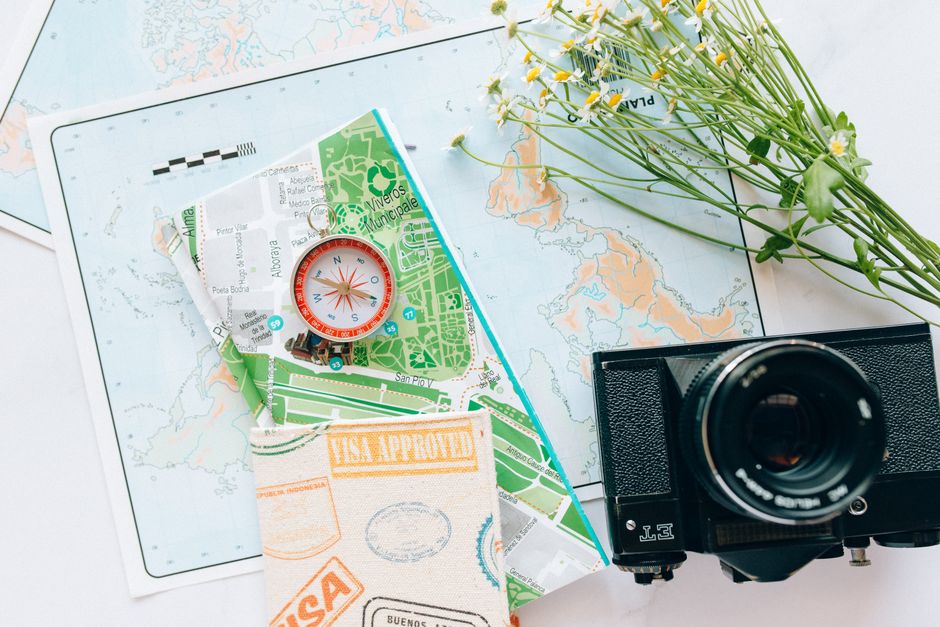
Traveling can be an exhilarating experience, filled with new sights, sounds, and opportunities. However, many travelers fall into common traps that can turn a dream vacation into a nightmare. Understanding how to travel smart—by planning effectively, being aware of your surroundings, and learning from the experiences of others—can enhance your journey significantly. Here’s a comprehensive guide to help you navigate your travels wisely and avoid common mistakes.
Understanding Your Destination
Before you embark on your journey, it is crucial to research your destination thoroughly. This includes understanding its culture, customs, language, and local laws. For instance, knowing that tipping is customary in the United States but not in Japan can save you from social faux pas. Resources like the CIA World Factbook provide detailed insights into various countries, including their political climates and cultural norms, helping travelers make informed decisions.
Language Barriers and Communication
Language barriers can lead to misunderstandings and frustration. It's advisable to learn some basic phrases in the local language. For example, saying "thank you" or "please" in the local dialect can go a long way in establishing goodwill with locals. Additionally, consider using translation apps such as Google Translate, which can assist in real-time communication, particularly in emergency situations.

Planning Your Itinerary
A well-structured itinerary can significantly enhance your travel experience. However, over-scheduling can lead to burnout. Aim for a balanced approach where you allow time for spontaneous activities. For example, the travel blog Nomadic Matt emphasizes the importance of flexibility, recommending travelers to leave open time in their schedules for unexpected adventures.
Booking Accommodations Wisely
One of the most significant expenses during travel is accommodation. Websites like Booking.com and Airbnb provide various options, but it’s essential to read reviews and check ratings. A real-world example is the case of a traveler who booked a low-cost hotel without checking reviews, only to find out it was infested with pests. Researching and choosing accommodations that are clean, safe, and well-located can make a world of difference.
Traveling on a Budget
Many travelers face the challenge of sticking to their budget. To avoid overspending, create a detailed budget before your trip. Take into consideration not just flights and accommodations but also daily expenses like food, transportation, and activities. Utilizing apps like Mint can help track your spending in real-time.
Finding Affordable Transportation
Transportation can often be a hidden cost in travel. Opt for public transport when possible, as it’s usually more affordable and gives you a taste of local life. For example, in cities like Paris, using the Metro can save you money compared to taxis. Additionally, consider walking or biking to explore areas more intimately and save on costs.
Safety Precautions
Travel safety should be a priority. Research common scams in the area you are visiting. For instance, in tourist-heavy cities, pickpocketing is prevalent. Keeping your valuables in a money belt or using anti-theft bags can mitigate risks. Moreover, it's essential to share your travel plans with a trusted friend or family member back home, ensuring someone knows your whereabouts.
Health Considerations While Traveling
Health should also be a major consideration. Depending on your destination, vaccinations may be required or recommended. The World Health Organization provides updated travel health information, including necessary vaccinations and health advisories that can prevent serious medical issues abroad.
Connecting with Locals
One of the most enriching aspects of travel is connecting with locals. Engaging with residents can enhance your understanding of the culture and provide unique insights. Consider joining local tours or classes—like cooking classes or guided hikes—which often allow for personal interaction. Websites like Meetup can help you find local events and groups that align with your interests.
Respecting Cultural Differences
Every culture has its norms and practices, and showing respect for these can greatly enhance your travel experience. For example, in certain countries, dressing modestly is a sign of respect, particularly when visiting religious sites. The travel advice from the U.S. Department of State emphasizes the importance of being culturally aware and respectful to avoid misunderstandings.
Documenting Your Journey
Documenting your travels can be a rewarding experience. Keeping a travel journal or blogging about your adventures can help you reflect on your experiences and share them with others. Moreover, photographs can capture memories that last a lifetime. However, be cautious about oversharing your location in real time on social media, as this can invite security risks.
Handling Travel Emergencies
No one wants to think about emergencies while traveling, but being prepared can make a significant difference. Familiarize yourself with local emergency numbers, and keep essential contacts handy. For example, knowing how to contact your country's embassy can be crucial in case of loss of passport or legal troubles. The U.S. State Department website provides information on how to find embassies and consulates abroad.
Reflection and Learning
After your trip, take time to reflect on your experiences. What went well? What could have been improved? This reflection can provide valuable lessons for future travels. Engaging with fellow travelers through forums or social media can also bring fresh perspectives and tips for your next adventure.
Conclusion
Traveling smart is about more than just avoiding mistakes; it's about making the most of your experiences and embracing the journey. By planning carefully, being aware of cultural differences, and staying safe, you can create memorable adventures that enrich your life. Remember, every traveler makes mistakes, but learning from them is what truly enhances the journey.