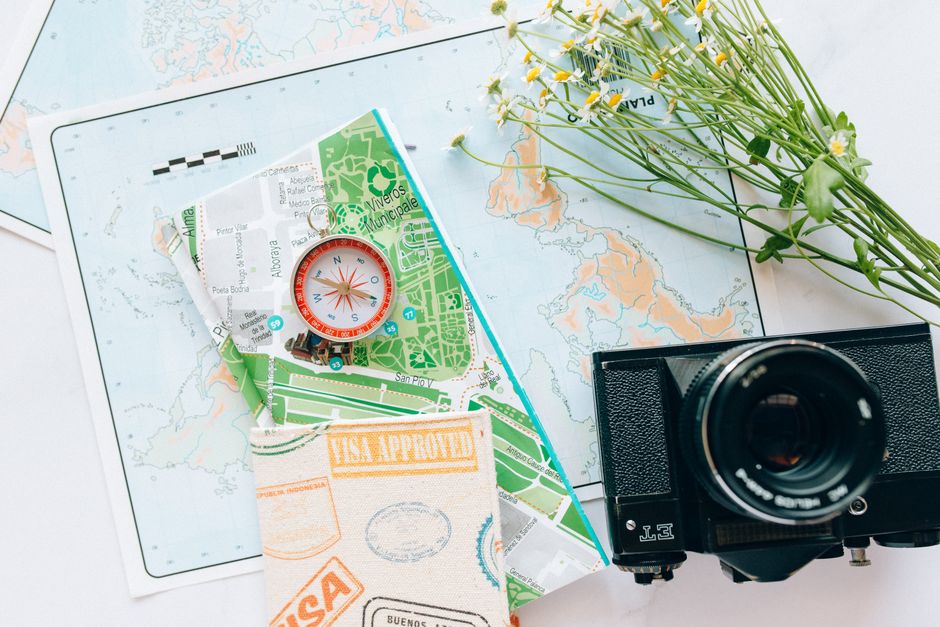
Europe, a continent rich in history, culture, and natural beauty, has long been a dream destination for travelers from around the world. With its diverse landscapes, languages, and cuisines, Europe offers a travel experience that is unparalleled. Whether you're a history buff exploring ancient ruins, a foodie indulging in local delicacies, or an adventurer seeking breathtaking vistas, this guide is tailored to help you navigate the complexities of traveling across this captivating continent.
Choosing Your Destinations
Europe is home to over 40 countries, each with its unique charm and attractions. When planning your European adventure, consider the following popular destinations:
1. Western Europe
Western Europe boasts iconic cities like Paris, London, and Amsterdam. Paris, known as the City of Light, offers landmarks such as the Eiffel Tower and the Louvre Museum, while London enchants visitors with its rich history and vibrant culture. Amsterdam's picturesque canals and art museums, including the Van Gogh Museum, make it a must-visit.
2. Southern Europe
Southern Europe, particularly the Mediterranean region, includes countries like Italy, Spain, and Greece. Italy’s diverse regions, from the romantic canals of Venice to the historic ruins of Rome and the stunning coastline of the Amalfi Coast, provide endless exploration opportunities. Spain offers a blend of cultural experiences, from the architectural wonders of Barcelona to the flamenco dancing in Seville. Greece, with its ancient history and beautiful islands like Santorini and Mykonos, is perfect for both culture and relaxation.
3. Northern Europe
Countries like Sweden, Norway, and Finland present a different backdrop with their stunning natural landscapes. Norway's fjords are breathtaking, and cities like Stockholm and Helsinki offer a blend of modernity and tradition. The Northern Lights, visible in places like Lapland, are an extraordinary sight that attracts travelers during winter months.

4. Eastern Europe
Eastern Europe is often less crowded and more affordable, making it an attractive option for budget travelers. Cities such as Prague, Budapest, and Krakow are renowned for their architectural beauty and rich history. Prague's Old Town Square, with its historic Astronomical Clock, and Budapest’s thermal baths are highlights not to be missed.
Understanding Transportation in Europe
Europe's efficient transportation network makes it easy to travel between cities and countries. Understanding your options will enhance your travel experience.
1. Train Travel
One of the best ways to see Europe is by train. The European rail network is extensive, with high-speed trains connecting major cities. The Eurail Pass allows unlimited travel across multiple countries, making it a popular choice for tourists. For example, the Eurostar connects London to Paris in just over two hours, while the AVE train can whisk you from Madrid to Barcelona in approximately three hours. For more details, you can check the official Eurail website.
2. Buses and Coaches
Long-distance buses are a budget-friendly alternative to trains. Companies like FlixBus and Eurolines offer routes across Europe, often at lower prices than train tickets. While bus travel may take longer, it can be an excellent way to see the countryside.
3. Budget Airlines
For those looking to cover larger distances quickly, budget airlines such as Ryanair and EasyJet provide affordable flights across the continent. However, travelers should be aware of additional fees and the need to arrive at airports earlier than usual.
4. Car Rentals
Renting a car can be advantageous for exploring remote areas or countries with less developed public transport. However, driving in cities can be challenging due to narrow streets and limited parking. It's essential to familiarize yourself with the local driving laws and regulations.
Cultural Etiquette and Local Customs
Understanding cultural norms is crucial for a respectful and immersive travel experience. While Europe is diverse, certain customs are prevalent across many countries.
1. Greetings and Politeness
In many European countries, greetings are formal. A handshake is common in business settings, while a kiss on the cheek may be customary among friends in Southern Europe. Always use polite phrases such as “please” and “thank you,” and learn basic words in the local language to show respect.
2. Dining Etiquette
Dining customs vary widely. In Italy, for example, it's typical to wait for everyone to be served before eating. In contrast, in Germany, it’s polite to keep your hands on the table but not your elbows. Tipping practices also differ; while a service charge is included in some countries, rounding up the bill or leaving small change is appreciated in others.
3. Dress Code
Many European cities have a more formal dress code than you might find in other parts of the world. In places like Paris and Milan, it’s important to dress stylishly. When visiting religious sites, dress modestly; for example, women may be required to cover their shoulders and knees when entering churches.
Planning Your Itinerary
Creating a thoughtful itinerary is essential for maximizing your European adventure. Here are a few tips to consider:
1. Prioritize Must-See Attractions
Make a list of must-see attractions and experiences. For example, if visiting Rome, the Colosseum and Vatican City should be high on your list. However, leave room for spontaneous discoveries, such as local markets or hidden cafes.
2. Balance Major Cities with Off-the-Beaten-Path Destinations
While major cities are often the focus, consider visiting lesser-known towns and regions to experience authentic local culture. For instance, towns like Cinque Terre in Italy or Gjirokastër in Albania offer stunning landscapes and fewer tourists.
3. Allow for Downtime
Traveling can be exhausting; it's essential to schedule downtime. Spend a leisurely afternoon in a park, enjoy a coffee at a local café, or take a short break to recharge before continuing your explorations.
Safety Tips and Travel Insurance
While Europe is generally safe for travelers, it's wise to take precautions. Keep your belongings secure and be aware of pickpockets, especially in crowded areas. Consider purchasing travel insurance to cover unexpected events, such as trip cancellations or medical emergencies.
Conclusion
Traveling in Europe is an enriching experience that can create lasting memories. By carefully planning your journey, understanding local customs, and exploring both renowned attractions and hidden gems, you can make the most of your European adventure. With its diverse cultures, stunning landscapes, and rich history, Europe awaits your discovery.