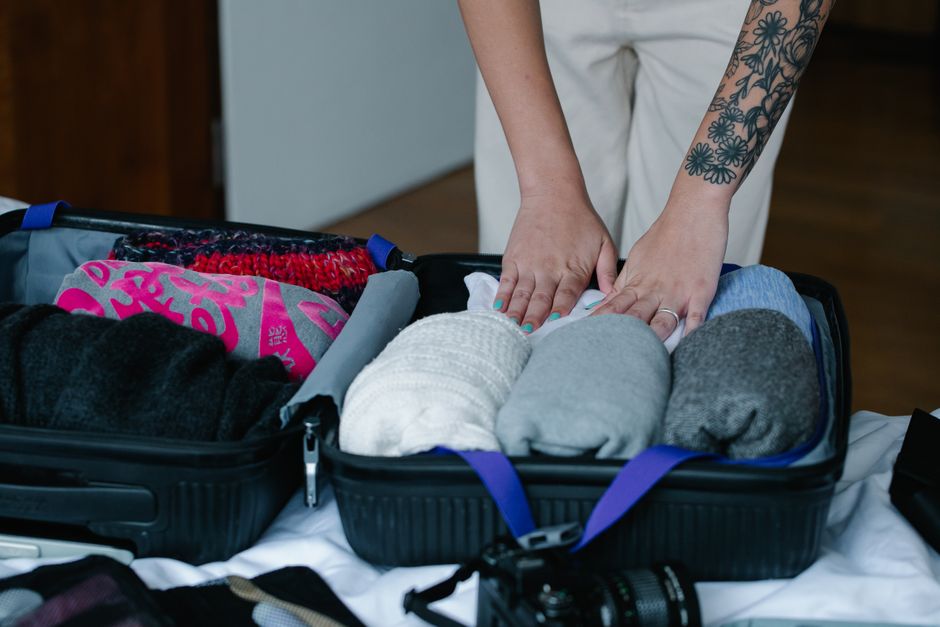
Traveling can be one of the most enriching experiences in life, yet it often comes with a hefty price tag. From airfare to accommodations, costs can quickly add up, leaving many potential travelers feeling deterred. However, with careful planning and strategic choices, it is possible to explore the world without breaking the bank. Here, we provide a comprehensive guide filled with actionable tips to save money while traveling, ensuring you can enjoy your adventure without financial stress.
1. Plan Ahead
The foundation of budget travel is meticulous planning. Start by determining your destination and travel dates as early as possible. This approach allows you to take advantage of early bird discounts on flights and accommodations. For instance, many airlines offer lower fares several months in advance. Websites like Kayak can help you compare prices across different airlines and set alerts for price drops.
2. Be Flexible with Travel Dates
Flexibility can yield significant savings. Traveling during off-peak seasons, such as late fall or early spring, can lead to lower prices for flights and hotels. Use tools like Google Flights, which allows you to explore fares across a month to find the cheapest days to fly. Additionally, consider mid-week flights, as they are often less expensive than weekend departures.

3. Choose Budget Airlines
Budget airlines have transformed the travel industry, providing affordable options for short-haul flights. While they may offer fewer amenities, the savings can be substantial. Airlines like Ryanair and easyJet offer competitive pricing for European travel. However, be mindful of additional fees for baggage and seat selection, which can add up quickly.
4. Use Public Transportation
Once you arrive at your destination, using public transportation is an excellent way to save money. Cities often have robust bus and train systems that are both affordable and efficient. In places like Tokyo, for instance, a Suica card allows unlimited travel on various forms of public transport at a fraction of the cost of taxis. Additionally, walking or biking can be a healthy and economical way to explore local sights.
5. Opt for Affordable Accommodations
When it comes to lodging, consider alternatives to traditional hotels. Hostels, guesthouses, and vacation rentals can offer substantial savings. Platforms like Airbnb provide unique accommodations that often come with kitchen facilities, allowing you to prepare your own meals. Moreover, staying slightly outside popular tourist areas can yield lower rates while still providing easy access to attractions.
6. Cook Your Own Meals
Dining out can significantly inflate your travel budget. One effective way to counter this is by cooking your own meals whenever possible. If your accommodation has a kitchen, take advantage of local markets to purchase fresh produce and ingredients. This not only saves money but also provides an authentic culinary experience. For instance, shopping at local farmer's markets in Thailand can be both enjoyable and economical.
7. Look for Free Activities
Many destinations offer a wealth of free or low-cost activities. Research local parks, museums, and festivals that do not charge admission. Cities like Paris often have free first Sundays of each month at many museums, while natural attractions like national parks often have free entry days. Websites like Time Out can help you find events and activities in your destination that won’t cost you a dime.
8. Utilize Travel Reward Programs
Joining travel reward programs can lead to significant savings. Many airlines and hotel chains offer loyalty programs that provide points for every dollar spent, which can later be redeemed for free flights, upgrades, or stays. For instance, credit cards that offer travel rewards can double your points on travel-related purchases, thus accelerating your savings. Just be mindful of any annual fees associated with these cards.
9. Research Local Discounts
Before you travel, research any local discounts that may be available. Many cities have tourist cards that offer discounted entry to attractions and public transportation. Websites and apps dedicated to local deals can help you discover offers that you might otherwise overlook. Additionally, student discounts can apply, so carry your student ID if you have one.
10. Travel Insurance: A Worthwhile Investment
While it may seem like an additional expense, travel insurance can save you significant money in the event of an emergency. Coverage for trip cancellations, medical emergencies, or lost belongings can mitigate financial loss. Companies like World Nomads offer various plans catering to different travel needs. It’s essential to read the fine print and ensure the policy covers your specific activities.
11. Stay Connected Wisely
Staying connected while traveling can incur hefty roaming charges. Instead, consider purchasing a local SIM card or using Wi-Fi whenever possible. Many cafes and public spaces offer free internet access. Utilizing apps like WhatsApp or Skype for communication can also help avoid international call charges.
12. Embrace Cultural Experiences
Participating in local cultural experiences can be both affordable and enriching. Look for free walking tours offered in many cities, where you can tip your guide based on your appreciation. Engaging with locals can provide insights into hidden gems that tourists often miss. This not only saves money but also enriches your travel experience.
13. Keep an Eye on Your Spending
Lastly, keeping track of your expenses while traveling is crucial. Use budgeting apps to monitor your spending in real-time, ensuring you stay within your financial limits. By setting daily budgets, you can avoid overspending and make informed decisions about where to splurge and where to save.
In conclusion, traveling on a budget is entirely feasible with the right strategies and mindset. By planning ahead, being flexible, and embracing local experiences, you can create unforgettable memories without financial strain. Each trip can be an opportunity to explore the world affordably, allowing you to travel more frequently and create a lifetime of adventures.